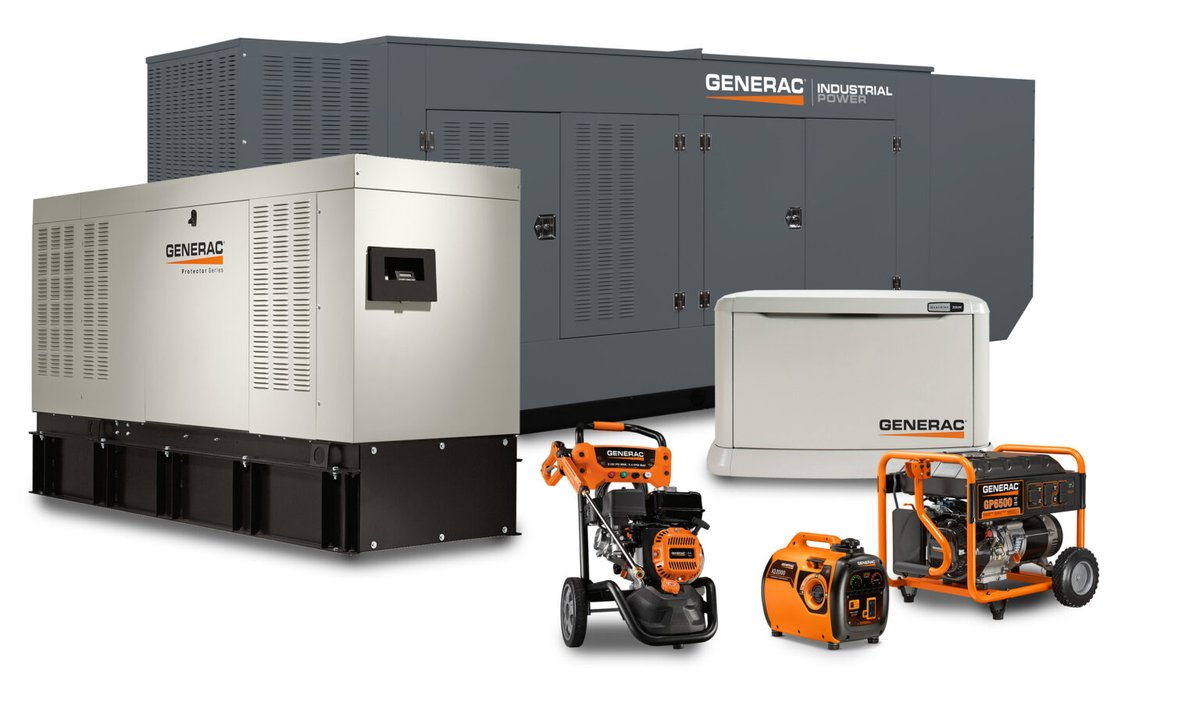
The moment the lights flicker, then plunge your home into darkness, is rarely a pleasant surprise. But that sinking feeling of being cut off from power doesn't have to lead to spoiled food, cold showers, or dead electronics. With the right backup generator, you can keep your essential systems running, your family comfortable, and your peace of mind intact.
Choosing the right power guardian for your home, however, isn't as simple as grabbing the first generator you see. The world of backup power is surprisingly diverse, offering a range of types of home backup generators designed for different needs, budgets, and lifestyles. From compact units you can carry to powerful systems that automatically kick in when the grid fails, understanding your options is the first step to staying powered up.
At a Glance: Your Quick Guide to Backup Power
- Two Main Categories: Generators primarily fall into Portable (manual setup, mobile) and Standby (permanent installation, automatic power).
- Fuel Matters: Gasoline is common and cheap upfront, but propane, natural gas, and diesel offer better efficiency, storage, or convenience for longer outages.
- Clean Power for Tech: Inverter generators produce stable electricity, crucial for sensitive electronics like laptops and medical devices.
- Renewable Options: Solar generators are quiet and eco-friendly but require sunlight and battery storage. Hydrogen and Biodiesel are emerging, niche choices.
- Installation & Cost: Portable units are DIY-friendly and affordable; standby systems require professional installation and a higher initial investment.
- Power Needs: Match the generator's wattage to what you absolutely need to run – from a few essentials to your entire home.
Why Your Home Needs a Backup Plan
Imagine a blizzard knocking out power for days, or a summer storm leaving you without air conditioning. Beyond comfort, electricity is critical for refrigeration, essential medical devices, charging communication tools, and even running your well pump. Preparing for an outage with a reliable backup generator isn't a luxury; it's a vital part of home preparedness.
But with so many options, how do you navigate the choices? Let's break down the main types of home backup generators, examining what each offers, where it shines, and its potential drawbacks.
The Great Divide: Portable vs. Standby Generators
The most fundamental decision you'll make when considering a backup power source is whether you need a portable solution or a permanently installed system. This choice dictates everything from cost and convenience to the amount of power you can expect.
Portable Generators: Power on the Go
Think of a portable generator as your versatile, go-anywhere power companion. These units are designed for mobility, making them ideal for a range of uses beyond just home backup.
What They Are: Portable generators are typically smaller, more compact, and easy to move, often featuring wheels and handles. They usually run on gasoline or propane, though some models are designed for solar input.
Where They Shine:
- Affordability: Generally the most budget-friendly option for initial purchase.
- Mobility: Perfect for camping, tailgating, job sites, RVs, or powering tools in different parts of your yard.
- Ease of Use: Many have straightforward controls, making them accessible even for novice operators.
- Storage: Their compact size means they're easier to store when not in use.
- Basic Backup: Capable of powering a few essential appliances like a refrigerator, some lights, and charging devices during a short outage.
What to Consider: - Manual Operation: You have to manually start them, fuel them, and run extension cords to your desired appliances.
- Limited Power: They sacrifice power output for mobility, meaning they can't typically run an entire home.
- Carbon Monoxide Risk: Must always be operated outdoors in a well-ventilated area, far from windows and doors, to prevent dangerous carbon monoxide buildup.
- Fuel Storage: Gasoline has a limited shelf life and requires careful storage.
Inverter Generators: The Smart Portable Choice
Among portable generators, inverter generator models stand out. While they can be home or portable, their technology makes them particularly appealing for modern needs.
What They Are: Inverter generators produce electricity in three phases, converting AC to DC and then back to stable AC power. This process results in "clean energy" – a consistent power output with minimal harmonic distortion.
Where They Shine:
- Sensitive Electronics: Their stable output is perfect for powering laptops, smartphones, medical equipment, and other delicate electronics without risk of damage.
- Quieter Operation: They're generally much quieter than traditional portable generators, making them more pleasant for extended use or in closer proximity to people.
- Fuel Efficiency: Often more fuel-efficient because they can adjust engine speed based on the load, rather than running at full throttle constantly.
- Parallel Capability: Many inverter generators can be linked together to double their power output if you need more wattage later.
What to Consider: - Higher Cost: Typically more expensive than conventional portable generators due to their advanced technology.
- Lower Initial Power: While they can be linked, a single inverter unit might have less raw power than a comparably sized conventional portable generator.
Standby Generators: The Unseen Guardian
For ultimate peace of mind and seamless power, a standby generator is the gold standard. These are your heavy-duty, always-ready solutions.
What They Are: Standby generators are large, semi-permanent fixtures – often about the size of a central air conditioning unit – installed outside your home on a concrete pad. They're designed to provide whole-home power and operate automatically.
Where They Shine:
- Automatic Operation: Equipped with an automatic transfer switch, they sense a power outage and kick on within seconds, seamlessly restoring power without any action required from you. When grid power returns, they shut off.
- Whole-Home Power: Larger models deliver over 15,000 watts, capable of powering everything from your HVAC system and major appliances to lights and sensitive electronics. Smaller units provide at least 5,000 watts for key systems.
- Fuel Efficiency & Long Run Times: With large fuel tanks or direct connections to natural gas lines, they can run for days or even weeks during extended outages, often with industrial-grade engines for high fuel efficiency.
- Safety: Installed outdoors with proper exhaust diversion, they eliminate the carbon monoxide risks associated with portable generators.
- Convenience: No fueling, no extension cords, no manual starting in the dark or rain. Many even offer Wi-Fi connectivity for status monitoring via an app.
- Increased Home Value: A significant amenity that can enhance your property's appeal.
What to Consider: - High Initial Cost: The purchase price for a standby unit is significantly higher than a portable one, ranging from $3,400 to nearly $7,000 for common models.
- Professional Installation: Requires complex professional installation by multiple contractors (electrician, plumber/gas specialist, general contractor for the concrete pad). Installation costs can range from $2,000 to $20,000 or more, often comparable to the unit's price.
- Permanent Fixture: Once installed, it's a permanent part of your property.
- Maintenance: Regular professional maintenance is required to ensure reliability.
- Size: They require a dedicated space outside your home.
If the idea of uninterrupted power during an outage is appealing, exploring whole house generator backup options is a smart move.
Fueling Your Peace of Mind: A Look at Generator Fuel Types
Beyond mobility, the type of fuel a generator uses profoundly impacts its cost, convenience, efficiency, and environmental footprint.
Gasoline Generators: The Common Choice
The Lowdown: Gasoline is the most common fuel for portable and inverter generators.
Pros: Easy to find, straightforward controls, often the lowest upfront cost for the generator itself.
Cons: High emissions, higher long-term fuel costs compared to propane or natural gas, short fuel shelf life (requiring stabilizers or frequent rotation), flammable and requires careful storage. Dual-fuel options are available to mitigate some of these issues.
Best For: Short, infrequent outages; light-duty portable power needs.
Propane Generators: Easy to Find, Easy to Store
The Lowdown: Common for home use, similar in design to gasoline or diesel generators but using liquid propane.
Pros: Easy to find and store (propane tanks), long shelf life for fuel, effective in cold temperatures, burns cleaner than gasoline.
Cons: Typically costs more than natural gas, burns faster than diesel (meaning more frequent refueling or larger tanks for extended outages), can be less fuel-efficient than natural gas or diesel.
Best For: Those who prioritize fuel stability and ease of storage for moderately extended outages. Consider a propane generator for flexible backup.
Diesel Generators: Powerhouses of Efficiency
The Lowdown: Mostly found in standby models, but some inverter and portable diesel generators exist.
Pros: More efficient power output than gasoline, leading to lower fuel costs over time. High durability and longer lifespan due to diesel's lower burning temperature. Can work in freezing temperatures with winter diesel fuel.
Cons: Produce harmful emissions, diesel fuel can gel in extreme cold without additives, often louder than gas/propane, higher initial generator cost.
Best For: Heavy-duty, long-term power needs; industrial applications; large homes requiring maximum efficiency.
Natural Gas Generators: Unlimited Supply (Almost)
The Lowdown: Primarily for standby generators, directly connected to your home's natural gas line.
Pros: Significantly lower emissions than diesel or gasoline. Once installed, it offers an essentially limitless fuel supply (as long as the natural gas grid is operational), eliminating the need for refueling. Relatively easy to use and durable with regular maintenance.
Cons: High initial installation cost due to gas line connection. Can be vulnerable to extreme cold climates if the gas lines freeze or experience pressure drops. Performance can sometimes be slightly less powerful than propane or diesel for a given engine size.
Best For: Homeowners seeking the ultimate convenience and continuous power without worrying about fuel storage or delivery. Learn more about the natural gas generator for your home.
Solar Generators: The Silent, Green Option
The Lowdown: Portable solar generators are popular for camping or emergency car use, but whole-home solar solutions are also available.
Pros: Fuel is renewable and free (sunlight). Extremely quiet operation and zero emissions. Low maintenance.
Cons: Don't work when dark (requires battery storage for reliable power). Power output can be low, especially for whole-home needs, making them expensive for that scale due to professional installation and extensive battery banks. Rely on sunlight, so cloudy days reduce efficiency.
Best For: Off-grid living, quiet camping, recharging devices, or supplementing other power sources. Explore a solar generator for sustainable backup.
Biodiesel Generators: An Eco-Conscious Alternative
The Lowdown: A blend of diesel and eco-friendly components like vegetable oil and animal fat.
Pros: Reduces reliance on nonrenewable fossil fuels and generally lowers emissions compared to conventional diesel.
Cons: Can be unreliable during extended outages if you don't have consistent access to a biodiesel fueling center. Not as widely available or robustly supported as traditional diesel.
Best For: Environmentally conscious users with shorter-term backup needs or reliable access to biodiesel fuel.
Hydrogen Generators: The Future (But Not Quite Yet)
The Lowdown: Relatively new to the market, using hydrogen gas with internal fuel cells for efficiency.
Pros: Higher power output, very sturdy and impact resistant, among the quietest types available, zero emissions.
Cons: Hard to find, very expensive, and infrastructure for hydrogen fuel is still developing.
Best For: Early adopters with significant budgets looking for cutting-edge, ultra-clean power solutions.
Induction Generators: A Niche Technology (Not for Homes)
The Lowdown: These create electromagnetic fields to generate energy, often used in large-scale applications like wind turbines and mini hydro plants.
Pros: Small, relatively easy to maintain professionally.
Cons: Require significant mechanical energy to start, and their varying speeds and unstable wattage outputs make them generally unsuitable for direct home use. You won't find these marketed for residential backup.
Best For: Industrial applications, not home backup.
Making the Right Choice: Key Considerations for Your Home
With a clearer understanding of the different types and fuel sources, it's time to refine your decision-making process.
1. Assess Your Power Needs (Wattage)
This is paramount. What do you absolutely need to run during an outage?
- Essentials (3,000–7,500 watts): Refrigerator, a few lights, phone chargers, TV, possibly a small window AC unit. This is typically covered by a medium-sized portable or inverter generator.
- Key Systems (7,500–15,000 watts): Essentials plus a well pump, furnace fan, or central air conditioner (one at a time). Larger portable or smaller standby units fit here.
- Whole Home (15,000+ watts): Everything you'd normally run, including multiple large appliances and central HVAC. This requires a robust standby generator.
Pro Tip: Check the wattage requirements of your most critical appliances. Appliances with heating elements (water heaters, electric ovens, clothes dryers) or large motors (AC units, well pumps) draw significant power, especially on startup.
2. Consider Your Budget: Purchase, Installation, and Fuel
- Purchase Price: Portable generators start from a few hundred dollars. Standby generators can range from $3,000 to $7,000+.
- Installation Costs: Factor in professional electrical work, gas line installation (for natural gas or large propane tanks), and a concrete pad for standby units. This can easily double or triple the initial purchase price of a standby unit. Portable units are mostly DIY setup.
- Fuel Costs: Gasoline prices fluctuate, propane burns quickly, and natural gas is usually billed monthly. Factor in storage containers for portable fuels.
3. Evaluate Fuel Availability and Storage
- Natural Gas: Convenient if you have a municipal line, but not available everywhere.
- Propane: Tanks are widely available and storable, but you'll need a supply of them or a large installed tank.
- Gasoline: Easy to buy but degrades, requires stabilizers, and safe storage is crucial.
- Diesel: Generally stable but requires dedicated storage.
- Solar: Free fuel, but dependent on sunlight and battery capacity.
4. Think About Noise Levels
Generators can be loud. If you have close neighbors or want to preserve peace and quiet, noise level is a major factor.
- Inverter Generators: Generally the quietest, often ranging from 50-60 dB (similar to a conversation).
- Conventional Portables: Can be quite loud, 65-80 dB (similar to a vacuum cleaner or lawnmower).
- Standby Generators: While outdoors, they still produce significant noise when running, often similar to a portable unit in decibel range, but designed to be less intrusive.
5. Understand Maintenance Requirements
All generators require maintenance, but the type and frequency vary:
- Portable: Regular oil changes, spark plug checks, air filter cleaning, and fuel system care (especially for gasoline).
- Standby: Requires scheduled professional servicing, including oil changes, filter replacements, and system checks. Self-diagnosis features and exercise modes help ensure readiness.
6. Safety First: Carbon Monoxide and Fuel Storage
- Carbon Monoxide: Never run a portable generator indoors or in an attached garage. Position it far from windows and doors. Install carbon monoxide detectors in your home.
- Fuel Storage: Store flammable fuels (gasoline, diesel, propane) safely, in approved containers, away from living areas and heat sources.
The Next Step: Preparing for Power Security
Choosing the right backup generator is a significant investment in your home's resilience. It requires careful consideration of your specific needs, local conditions, and budget. Start by listing your essential appliances and calculating their wattage. Then, weigh the convenience and automatic operation of a standby system against the flexibility and lower upfront cost of a portable unit.
Once you have a clearer picture, consult with professionals – electricians for wiring, plumbers for gas lines, and generator dealers for product advice. With the right preparation, you can turn the dread of a power outage into a minor inconvenience, ensuring your home remains a haven, even when the grid lets you down.