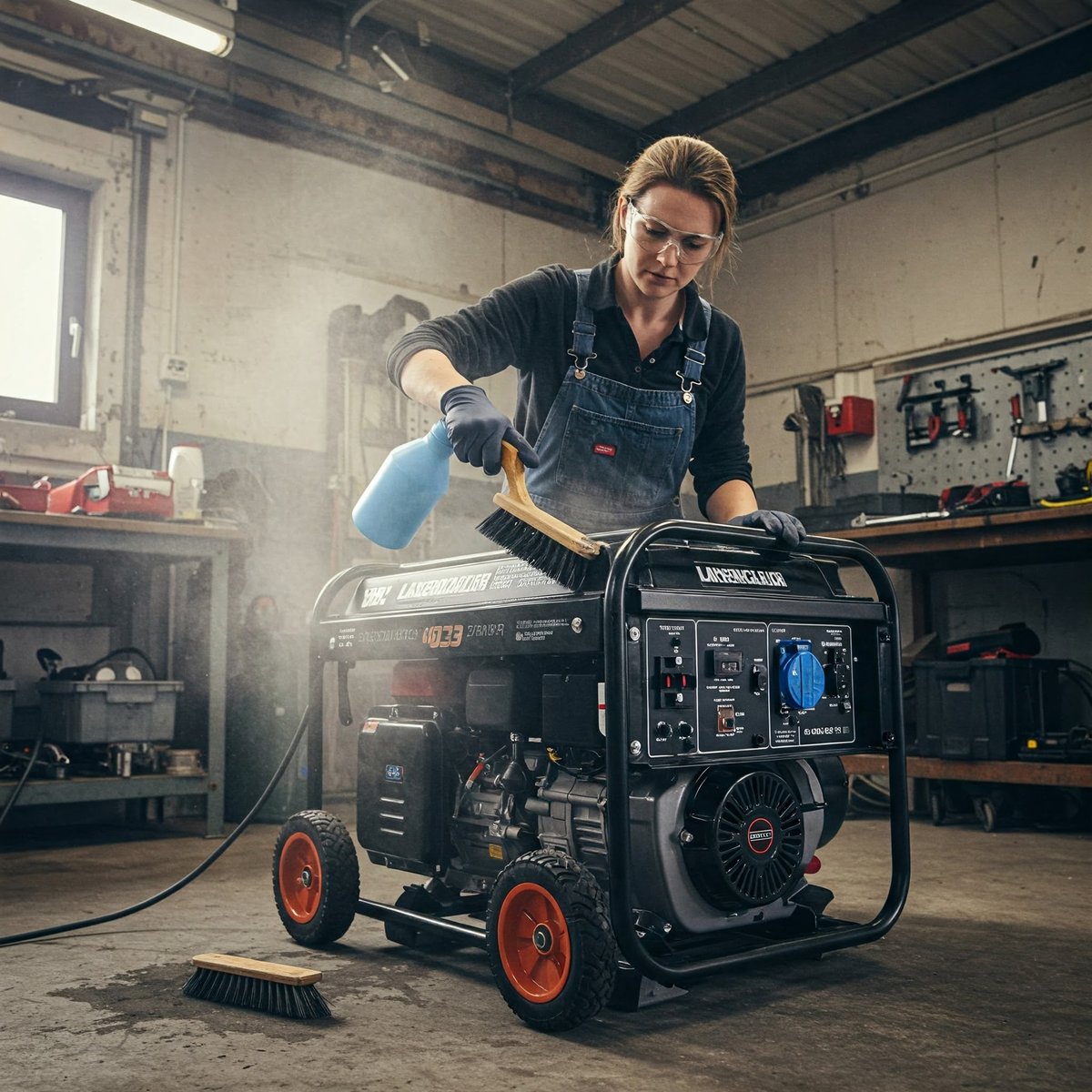
When the power goes out, a generator isn't just a convenience; it's your lifeline. But wielding that power comes with immense responsibility. Mastering Generator Maintenance and Safety Protocols isn't merely about keeping the lights on; it’s about safeguarding your family, your property, and yourself from serious, even fatal, risks. From the silent threat of carbon monoxide to the obvious dangers of electrocution and fire, understanding and implementing stringent safety measures is non-negotiable.
This guide is designed to empower you with the knowledge to manage your generator safely and effectively, ensuring it's a dependable source of power, not a potential hazard.
At a Glance: Key Takeaways for Generator Safety
- Outdoor Placement is Non-Negotiable: Always operate generators outside, far from windows and doors, to prevent carbon monoxide buildup.
- Ground Your Generator: Proper grounding protects against electrical shock.
- Read Your Manual: Every generator is different; its owner’s manual is your primary safety guide.
- Regular Maintenance is Key: Scheduled checks and proactive care prevent malfunctions and extend lifespan.
- Power Down Before Maintenance: Always turn off and cool down your generator before inspection or service.
- Never Overload: Adhere to load limits to prevent overheating and fire.
- Prepare for Emergencies: Have a fire extinguisher handy and know emergency shutdown procedures.
- Carbon Monoxide Detectors: Install CO detectors in your home for added protection.
- Wear PPE: Gloves, safety glasses, and appropriate clothing protect you during maintenance.
The Power of Prevention: Why Generator Safety Matters So Much
Generators are marvels of modern engineering, capable of restoring comfort and functionality when the grid fails. Yet, these powerful machines come with inherent dangers that, if ignored, can have catastrophic consequences. We're talking about the invisible killer, carbon monoxide (CO), which claims lives annually; the very real risk of electrical shock; and the potential for fuel-related fires.
Think of it this way: a generator is like a car. You wouldn’t drive without understanding traffic laws or performing basic maintenance. Similarly, operating and maintaining a generator requires a foundational understanding of its functions, its specific dangers (which vary between diesel and gas units), and the rigorous safety protocols from setup to shutdown. This isn't a one-and-done lesson; it's an ongoing commitment, backed by regular review and updating of safety protocols to ensure everyone involved is knowledgeable about the latest best practices.
Laying the Groundwork: The Foundation of Generator Safety
Before you even think about starting your generator, you need to establish a strong safety culture. This means rigorous adherence to protocols, ensuring comprehensive training for all operators, and being acutely aware of potential environmental hazards like proximity to flammable materials or inadequate ventilation.
Understanding understanding different generator types is also a critical first step, as safety protocols can vary based on the fuel and design of your unit.
Getting it Right from the Start: Correct Generator Setup
Location, location, location – it's crucial for generator safety.
- Outdoors and Away: Always, always place your generator outdoors or in a well-ventilated area. This is the single most critical step to prevent dangerous carbon monoxide (CO) buildup, which can quickly become fatal indoors. Position it at least 20 feet away from your home, windows, doors, and vents, ensuring exhaust fumes can dissipate safely.
- Stable and Secure: Ensure your generator is placed on a stable, flat surface. This prevents tipping, which can damage the unit, create fuel spills, or lead to dangerous situations from vibrations during operation.
- Proper Grounding: Grounding your generator is essential to protect personnel from electrical hazards. Consult your owner's manual for specific instructions on how to properly ground your model, as methods can vary. This typically involves connecting the generator to a ground rod or another approved grounding system.
Operating with Confidence: Safe Procedures and Practices
Once your generator is correctly set up, safe operation becomes the next priority. Familiarizing yourself with your specific model's start, load, and stop procedures is paramount to prevent malfunctions and ensure smooth, safe power delivery.
Powering Up: Understanding Your Generator's Limits
- Know Your Procedures: Every generator has specific start-up sequences. Follow them precisely. Do not rush or skip steps.
- Respect Load Limits: Strictly adhere to your generator's rated load limits. Overloading is a common pitfall that can lead to overheating, electrical faults, and significantly increase the risk of fire. It can also permanently damage your generator.
- Beware of Wet Conditions: Avoid using generators in wet or damp conditions like rain or snow. Water and electricity are a deadly combination, and operating a generator in these conditions drastically increases the risk of electrocution. If outdoor use in adverse conditions is absolutely necessary, use a generator-specific, weatherproof cover that does not impede ventilation. This is a specialized accessory, not a makeshift tarp.
The Silent Killer: Carbon Monoxide (CO) Safety
Carbon monoxide is often called the "silent killer" because it's an invisible, odorless, colorless gas produced by internal combustion engines – like those in your generator. Inhaling CO replaces oxygen in your bloodstream, leading to symptoms like headache, nausea, dizziness, and eventually unconsciousness and death.
- Install CO Detectors: Install battery-operated or battery backup CO detectors on every level of your home, especially near sleeping areas. Test them regularly and replace batteries annually.
- Never Indoors: Reiterate: NEVER run a generator inside a home, garage, basement, crawlspace, or any partially enclosed area, even with doors and windows open. Exhaust fumes can accumulate rapidly.
- Ventilation is Not a Guarantee: Even seemingly well-ventilated areas like open garages are insufficient. CO can quickly reach dangerous levels.
- Symptoms Awareness: Be aware of the symptoms of CO poisoning. If anyone experiences them, get them to fresh air immediately and seek medical attention.
Proactive Care: Essential Maintenance Protocols
Proper maintenance is the backbone of generator safety and longevity. It's about catching potential issues early, ensuring reliable performance when you need it most, and preventing safety hazards down the line.
Preparing for Maintenance: Safety First, Always
Before you even think about touching your generator for maintenance, remember these crucial steps:
- Read Your Owner's Manual: This is your bible. It contains specific instructions, cautions, and warnings tailored to your generator model. If anything is unclear, contact an authorized dealer or customer service (e.g., Generac Customer Service at 1-888-GENERAC). If you're unfamiliar with maintenance tasks, professional help is recommended.
- Power Off and Cool Down: This is non-negotiable. Always remove all loads, power off the generator, and allow it to run for several minutes without a load to cool down before beginning any maintenance. Hot engine parts and fluids pose burn risks.
- Personal Protective Equipment (PPE):
- Gloves: Protect your hands from cuts, scrapes, and skin irritation from engine oil and other fluids.
- Safety Glasses: Essential to protect your eyes from debris, splashes, or accidental impacts.
- Mask (if needed): Consider if you're dealing with dusty air filters or other airborne particles.
- Remove Jewelry: Take off any rings, watches, or other metallic jewelry that could get caught in moving parts or conduct electricity.
- Clear the Area: Keep children and pets away from the generator while performing maintenance. Ensure the area around the generator is clear of plants, debris, or snow, as clearance requirements vary by model.
Step-by-Step: Powering Down Your Generator for Service
The exact shutdown procedure depends on your generator type.
Powering Off a Home Standby Generator (General Steps, consult your manual for specifics):
- Turn Off Utility Main Line Circuit Breaker (MLCB): Set the main utility breaker to Off (open). This ensures no power from the grid is flowing to the transfer switch.
- Turn Off Generator MLCB: Lift the generator lid and set the generator's main circuit breaker (generator disconnect) to Off (open).
- Cool Down (If Running): If the generator was running during a utility outage, allow it to run and cool down for five minutes with no load before proceeding.
- Press OFF Button: On the generator controller, press the OFF button.
- Remove Fuse: Remove the 7.5A fuse (or as specified by your manual) to prevent the battery from draining and ensure the unit cannot accidentally start.
Powering Off a Portable Generator (General Steps):
- Remove All Loads: Unplug all appliances and extension cords from the generator.
- Cool Down: Run the generator without a load for five minutes.
- Power Switch Off: Use the dedicated power switch on the generator to turn it off.
- Allow to Cool Completely: Wait for the generator to cool down before performing any maintenance tasks.
Key Maintenance Tasks & Checks
Regular, scheduled inspections are your best defense against unexpected issues.
- Oil Changes: Just like a car, your generator's engine oil needs regular replacement. Check oil levels before each use and change the oil according to your manual's schedule (e.g., every 50-100 hours of operation or annually). Wipe away any drips of old or new oil when finished.
- Air Filter Replacements: A clean air filter is crucial for engine performance and longevity. Inspect and replace the air filter regularly. Do not handle air filters with dirty hands or gloves, as you can introduce contaminants.
- Spark Plug Inspection/Replacement: Check spark plugs for wear and proper gap. Replace them as recommended by the manufacturer to ensure efficient ignition.
- Fuel System Checks:
- Fuel Levels: Ensure adequate fuel, but never refuel a hot generator. Let the unit cool before adding gasoline or diesel to prevent spills on hot engine parts, which can lead to fires.
- Fuel Filters: Inspect and replace fuel filters as per your manual to prevent contaminants from reaching the engine.
- Fuel Lines: Check fuel lines for cracks, leaks, or wear.
- Battery Maintenance (for electric start models): Inspect battery terminals for corrosion and ensure connections are tight. Check electrolyte levels if it's a serviceable battery. A weak battery can prevent your generator from starting when you need it most.
- Electrical Connections: Routinely clean and check all electrical connections. Faulty wiring is a primary cause of malfunctions, overheating, and fire hazards. Ensure all cords are heavy-duty, outdoor-rated, and free of damage.
- General Cleaning: Keep your generator clean and free of dirt, dust, and debris. This helps prevent overheating and extends component life.
For deeper insights into keeping your generator running smoothly, you might want to explore optimizing generator fuel efficiency, which often goes hand-in-hand with proper maintenance.
Restoring Power After Maintenance (Home Standby)
Once maintenance is complete, and everything is reassembled:
- Install Fuse: Install the 7.5A fuse (or as specified).
- Verify Generator MLCB Off: Double-check that the generator's main circuit breaker is still off. Never start the generator under load.
- Press AUTO Button: On the controller, press the AUTO button.
- Warm-up: Allow the generator to warm up for approximately one minute.
- Turn Generator MLCB On: Turn the generator's main circuit breaker on.
- Turn Utility Disconnect On: Finally, turn the utility main line circuit breaker back on.
Fueling Your Generator: A High-Octane Responsibility
Fuel is the lifeblood of your generator, but it's also highly flammable and dangerous if mishandled.
- Cool Down Before Refueling: This cannot be stressed enough. Always allow your generator to cool down completely before adding fuel. Spilled gasoline or diesel on a hot engine can instantly ignite.
- Proper Storage: Store fuel in approved containers, away from living areas, heat sources, and direct sunlight.
- Fresh Fuel: Use fresh fuel. Stale fuel can gum up carburetors and fuel lines, causing starting problems or engine damage. Consider using fuel stabilizers if you store fuel for extended periods.
- No Smoking: Never smoke or use open flames near a generator or fuel storage.
Emergency Preparedness: When Things Go Wrong
Even with the best maintenance and safety protocols, emergencies can happen. Being prepared can make all the difference.
- Emergency Shutdown Procedure: Have a clearly posted, readily available emergency shutdown procedure for your specific generator. Ensure everyone who might operate the generator knows how to quickly and safely shut it down.
- Fire Extinguisher: Keep an ABC-rated fire extinguisher readily on hand, within easy reach of the generator. Know how to use it.
- Expert Intervention: Engage experts like Hatton Power & Propulsion, or your authorized service provider, for professional intervention in complex generator-related emergencies. Building a relationship with a reliable partner provides access to experienced professionals when needed most, especially for issues beyond basic troubleshooting. For major system overhauls or tricky diagnostics, knowing selecting the best generator for your needs often includes choosing a reputable dealer who provides excellent service.
Common Generator Safety FAQs
Let's address some common questions and clear up misconceptions about generator safety.
Can I run my generator in the garage with the door open?
Absolutely not. Even with the garage door open, carbon monoxide fumes can quickly build up to dangerous levels, seep into your home, and cause serious illness or death. Always operate generators outdoors, at least 20 feet from any building openings.
Do I really need to ground my portable generator?
Yes, you do. Proper grounding protects against electrical shock, especially when using a portable generator. Consult your owner's manual for specific grounding instructions, which often involve connecting the generator frame to a ground rod.
What's the biggest risk when operating a generator?
The biggest risk is carbon monoxide (CO) poisoning due to improper placement. Electrical shocks and fire hazards from improper fueling or overloading are also significant. Always prioritize outdoor placement and CO detectors.
How often should I perform maintenance?
Refer to your generator's owner's manual for a precise schedule. Generally, routine checks (oil, fuel) should be done before each use, with more comprehensive maintenance (oil changes, filter replacements, spark plug checks) performed every 50-100 hours of operation or annually, whichever comes first. Even if you don't use it often, an annual check-up is crucial.
Can I plug my generator directly into my house's electrical panel?
No, never plug your generator directly into a wall outlet or your home’s electrical panel without a proper transfer switch installed by a qualified electrician. This creates a dangerous "backfeed" situation that can electrocute utility workers or neighbors if power is restored unexpectedly. A transfer switch safely isolates your home from the utility grid. For comprehensive details on integrating generators into your home, see our guide on all about home generator backup. You might also be interested in how modern units handle integrating generators with smart home systems.
Your Ongoing Commitment to Safe, Dependable Power
Generator maintenance and safety protocols are not a checklist to complete once and forget. They represent an ongoing commitment to ensuring your backup power source is ready when you need it, without posing undue risk. By diligently following these guidelines, familiarizing yourself with your specific unit, and prioritizing safety above all else, you transform a potentially hazardous machine into a reliable ally.
Remember, foresight and consistent action are your greatest tools for generator safety. Stay informed, stay prepared, and power on safely.