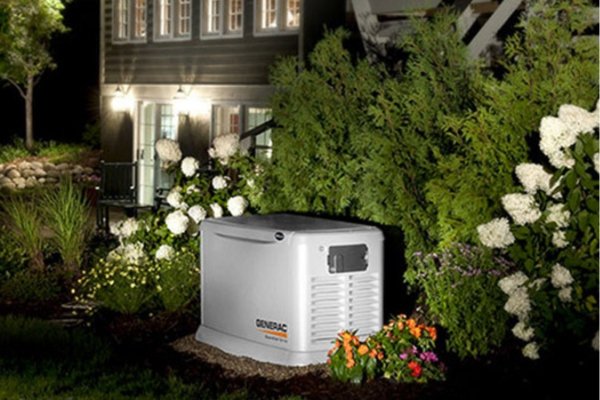
There's nothing quite like the sudden silence of a power outage to remind us how dependent we are on electricity. From keeping food fresh to running critical medical equipment, maintaining comfort with heating and cooling, or simply staying connected, a reliable power supply is non-negotiable for many homes. When the grid goes down, your home doesn't have to follow suit. Investing in a robust generator backup for house isn't just about convenience; it's about security, comfort, and peace of mind for your family.
This comprehensive guide will walk you through everything you need to know about keeping your home powered, no matter what Mother Nature or utility issues throw your way. We'll explore how these powerful systems work, the benefits they offer, and what to consider for your specific needs, seamlessly connecting you to detailed pillar articles for a deeper dive.
Why a Whole-House Generator is Your Ultimate Power Solution
Unlike portable generators that require manual setup, refueling, and extension cords, a whole-house standby generator is a permanent, professionally installed solution designed to activate automatically the moment your power fails. These units, roughly the size of a central air conditioning system, sit on a concrete pad outside your home, ready to take over the moment an outage strikes. They deliver seamless power, ensuring your essential systems – and even your entire home – remain operational.
The beauty of a standby generator lies in its 'set it and forget it' nature. You don't have to venture out into a storm to get it running; it senses the outage and switches on automatically via an automatic transfer switch (ATS). This immediate response means no spoiled food, no freezing pipes in winter, and no sweltering heat in summer. If you're weighing your options for keeping the lights on, it's crucial to Explore home generator types to understand the differences and find the perfect match for your needs.
Fueling Your Home: Natural Gas vs. Propane
When considering a generator backup for house, one of the first major decisions is your fuel source. Whole-house generators typically run on natural gas or propane, each offering distinct advantages. Natural gas provides an essentially limitless supply, connecting directly to your home's existing gas line, meaning you'll never have to worry about running out of fuel during extended outages.
Propane, stored in a large tank on your property, offers impressive run times and eliminates the risks associated with storing gasoline. While it requires periodic refueling, the tanks are substantial, often providing hundreds of hours of operation depending on the generator's size and load. Both options are significantly safer than gasoline, as they are stored outdoors and pose no carbon monoxide risk inside your home.
Matching Power to Your Needs: Sizing Your Generator
Not all homes, or homeowners, have the same backup power requirements. Some may only need to power critical appliances like a well pump, refrigerator, or medical devices, while others want to maintain full functionality across their entire home, including air conditioning, heating, and multiple entertainment systems. Whole-house generators range significantly in power output, from smaller models delivering around 5,000 watts to robust units exceeding 15,000 watts.
Choosing the right size is paramount to ensuring your generator can handle the demands you place on it without being overstressed or inefficient. Our experts can help you determine the exact wattage you'll need to keep your household running smoothly, whether it's just the essentials or every single appliance. To make an informed decision and guarantee you're ready for any scenario, it’s vital to consider Sizing and Selecting Your Home to get the most value and reliability from your investment.
The Journey to Installation: What to Expect
Installing a generator backup for house is a significant project that requires professional expertise. Unlike plugging in a portable unit, a standby generator involves a complex setup by multiple qualified contractors. This typically includes an electrician to wire the generator into your home's electrical panel and connect the automatic transfer switch, a plumber or heating specialist to connect it to your gas line or propane tank, and a general contractor to prepare the concrete pad foundation.
The automatic transfer switch (ATS) is the brain of your system, monitoring utility power and seamlessly switching your home to generator power when an outage occurs, then transferring back to utility power once it's restored. This professional installation ensures everything is up to code, safe, and operates flawlessly for years to come. For a detailed walkthrough of the process and what to prepare for, you'll want to Install Your Generator Correctly Complete Generator.
Understanding the Investment: Costs Beyond the Unit
While the peace of mind offered by a whole-house generator is invaluable, it's also a significant financial investment. The unit itself can range from $3,400 to $7,000, depending on its power output and features. However, it's crucial to factor in the substantial installation costs, which can often equal or even exceed the price of the generator, ranging from $2,000 to upwards of $20,000. These costs cover the multiple contractors, materials, permits, and labor required for a safe and compliant setup.
While smaller generator models might be less expensive to purchase, their installation expenses can be comparable to larger units, which might limit the overall savings. It’s essential to get detailed quotes and understand all associated costs upfront to budget effectively. To gain a complete picture of the financial commitment, make sure you Understand backup generator costs before making your final decision.
Keeping it Running: Maintenance and Safety
Once your generator backup for house is installed, maintaining it properly is key to ensuring its reliability and longevity. These sophisticated machines often feature self-diagnosis capabilities, alerting you to potential maintenance needs. Regular servicing, typically annual, is recommended to keep your generator in top condition, ensuring it starts reliably when you need it most. This involves checking fluid levels, filters, and overall system health.
A major safety advantage of standby generators is their outdoor installation, which completely eliminates the risk of carbon monoxide poisoning that can be associated with portable generators used improperly. However, general safety protocols still apply, such as keeping the area around the generator clear of debris and ensuring proper ventilation. For comprehensive guidance on keeping your system in peak condition and operating safely, be sure to Learn generator maintenance and safety.
Investing in a generator backup for your house is about more than just electricity; it's about safeguarding your home and your lifestyle against the unpredictable. With the right knowledge and a professionally installed system, you can face any outage with confidence, knowing your home will remain a haven of comfort and functionality. Explore our detailed pillar guides to empower your decision-making and secure your home's future.