Imagine this: a storm hits, the lights flicker, and then – darkness. Your fridge hums to a halt, the Wi-Fi dies, and that vital medical device suddenly has no power. It’s a scenario no homeowner wants to face, yet one that prompts many to explore the security of a backup generator. But before you dive in, understanding the true cost analysis of home backup generators is crucial. This isn't just about the price tag on the unit; it's a comprehensive look at the upfront investment, installation complexities, and ongoing expenses that will keep your home powered when the grid fails.
We're here to demystify the numbers, breaking down everything from a basic portable unit to a full, automatic whole-house system. Consider this your definitive guide to making a smart, informed decision about powering your peace of mind.
At a Glance: Your Generator Cost Breakdown
- Total Project Cost Range: Expect anywhere from $300 for a basic portable unit (generator only) to $32,000 or more for a premium whole-house standby system with professional installation.
- Portable Generators: $300 - $1,500 (unit only); $2,500 - $6,000 (with basic transfer switch & wiring).
- Standby Generators (Mid-Range): $2,500 - $7,500 (unit only); $5,000 - $12,000 (with automatic switch & limited site work).
- Standby Generators (Whole-House): Exceeds $12,000, often $25,000+, with premium options reaching $32,000 or more (including professional installation, fuel lines, and extensive site work).
- Key Cost Drivers: Generator size, fuel type, transfer switch type, installation complexity, permits, brand, and warranty.
- Ongoing Costs: Fuel, routine maintenance (oil changes, battery replacements), periodic testing, and potential repairs.
- Investment Value: Beyond the dollar signs, a generator offers safety, comfort, convenience, and protects against losses during power outages, often proving invaluable.
More Than Just Power: The Value Behind a Backup Generator
A home backup generator isn't merely a luxury; for many, it's a critical component of home resilience, offering security and continuity when the unexpected strikes. From safeguarding expensive food in your refrigerator to ensuring essential medical equipment remains operational, the benefits extend far beyond simply keeping the lights on. It’s about maintaining comfort, productivity (especially for those working from home), and, most importantly, peace of mind during emergencies. This is why understanding the full scope of home generator backup solutions is more important than ever.
The Two Main Players: Portable vs. Standby Generators
Before we dive into the nitty-gritty of costs, let's clarify the fundamental differences between the two primary types of home backup generators: portable and standby. Your choice here will be the most significant factor in your overall investment.
Portable Generators: Power on the Go
These are the smaller, movable units you might recognize from tailgates or construction sites. They require manual startup and connection to specific appliances or a limited circuit via extension cords or a basic transfer switch.
- Pros: Lower upfront cost, flexible placement, easy to transport for other uses (camping, job sites).
- Cons: Manual operation, limited power output (usually enough for essentials like a fridge, a few lights, and a phone charger), requires refueling, can be noisy, not ideal for long-term outages.
- Cost Snapshot: A unit alone might run you $300 to $1,500. If you add a small transfer switch and basic wiring to connect it to a few circuits in your home, the total project could range from $2,500 to $6,000. This works out to approximately $2 to $5 per watt for a complete, basic package. They offer the convenience of a portable generator for temporary needs.
Standby Generators: Always On, Always Ready
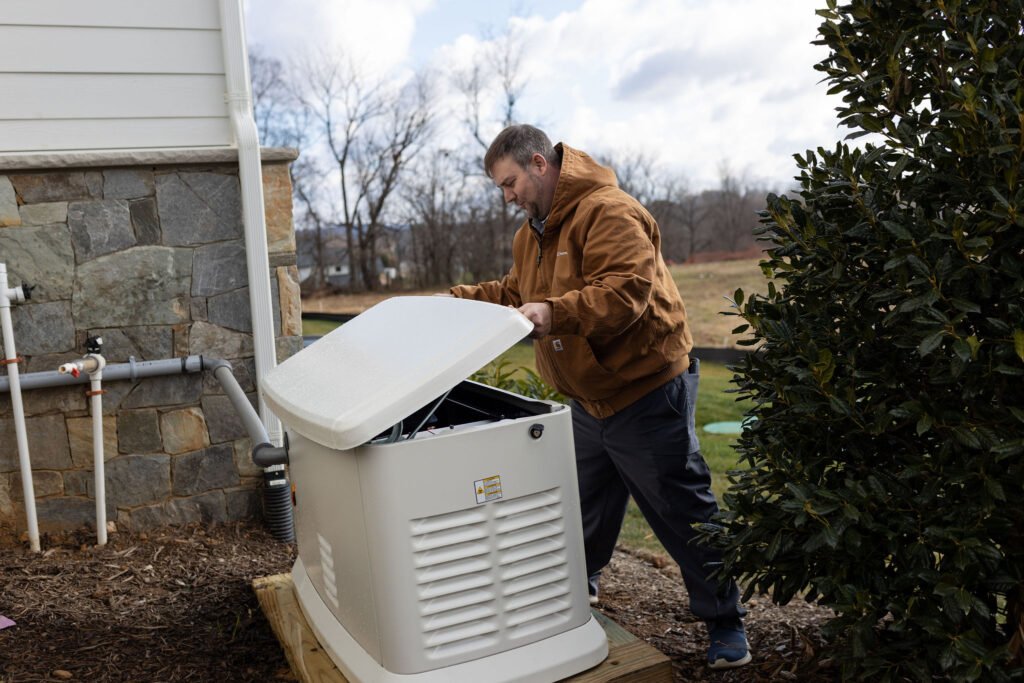
Standby generators are permanent installations, typically outside your home, much like an air conditioning unit. They're connected directly to your home's electrical system and a fuel source (natural gas or propane). When the power goes out, an automatic transfer switch (ATS) detects the outage, starts the generator, and seamlessly switches your home's power supply without any manual intervention.
- Pros: Automatic operation, powers entire homes or specific critical circuits, runs on readily available fuel (natural gas or propane), quieter than most portables, greater power output, often comes with robust enclosures.
- Cons: Significantly higher upfront cost, requires professional installation, fixed location.
- Cost Snapshot: For just the unit, you're looking at $2,500 to $7,500 for a mid-range system, and over $7,500 for a whole-house unit. With installation, a mid-range system (with automatic switching and limited site work) typically costs between $5,000 and $12,000. A full whole-house system with extensive installation, fuel lines, and site work will usually exceed $12,000, often hitting $25,000 or more, with premium options reaching $32,000. Expect to pay roughly $1,000 to $2,000 per kilowatt installed.
Breaking Down the Investment: What You'll Actually Pay
Now, let's slice and dice the costs. Your total expense isn't just the generator itself; it's a sum of many parts.
Initial Purchase & Installation Costs by System Type
The overall price tag on a residential backup generator in USD typically spans a wide range, from a mere $300 for a basic portable unit to well over $25,000, potentially reaching $32,000 or more, for a fully equipped, professionally installed whole-house standby system.
- Basic Portable Setups:
- Generator Unit: $300 - $1,500
- With Small Transfer Switch and Simple Wiring: $2,500 - $6,000
- Per Watt Estimate for a Complete Package: $2 - $5
- Example Scenario: A 4 kW portable generator setup, including 8–10 hours of labor and ~$1,200 in materials (transfer switch, wiring), plus minimal permits, could cost $2,300–$3,600. That’s approximately $0.60–$1.25 per watt.
- Mid-Range Standby Systems:
- Generator Unit: $2,500 - $7,500
- With Automatic Switching and Limited Site Work: $5,000 - $12,000
- Per Kilowatt Estimate Installed: $1,000 - $2,000
- Example Scenario: A 10 kW standby system, factoring in 15–20 hours of labor, ~$4,000 for materials (ATS, gas line, electrical), and ~$600 for permits, might total $9,000–$14,000. This is roughly $0.90–$1.40 per watt. This often includes a standard level of professional standby generator installation.
- Full Whole-House Standby Systems:
- Total Project Cost: Exceeds $12,000, up to $25,000 or more. Premium options can reach $32,000. This includes professional installation, dedicated gas or propane supply setup, and extensive site work.
- Example Scenario: For a 20 kW whole-house system, expect 25–40 hours of labor, ~$9,000 in materials, and ~$1,500 in permits. This could put your total at $20,000–$32,000, or about $1.00–$1.60 per watt. Larger homes or properties with more critical loads may see higher costs, especially if gas line upgrades, trenching, or multiple subpanels are required.
The Big Influencers: Key Cost Drivers
Several factors significantly impact the final price tag of your generator system. Understanding these will help you make informed choices.
- Generator Size (Wattage/Kilowatt): This is perhaps the most obvious driver. A larger wattage or kilowatt (kW) rating means a more powerful generator, which translates to a higher unit cost. Beyond the unit itself, larger systems (e.g., an 8–12 kW system versus a 5 kW unit) demand more extensive electrical wiring and often larger gas line work, driving up installation expenses.
- Fuel Type: Generators typically run on propane, diesel, gasoline, or natural gas.
- Gasoline: Common for portable units, but impractical for standby due to storage and rapid consumption.
- Propane: Stored in tanks, good for standby where natural gas isn't available. Requires tank installation and refills.
- Natural Gas: Excellent for standby as it's directly from the utility, offering unlimited run time. Requires proper gas line connection.
- Diesel: Efficient, but diesel generators and their fuel tanks can be more expensive upfront.
While diesel and natural gas models might cost more initially, they can be significantly cheaper to run long-term, especially during extended outages. Your choice of fuel type heavily influences the supply installation, potentially requiring longer gas runs, protective valves for natural gas, or tanks, refills, and regulator fittings for propane. It’s vital to consider picking the right fuel type for your generator early in the process. - Transfer Switch Type:
- Manual Transfer Switches: Cheaper, requiring you to manually switch power from utility to generator (and vice versa). Common with portable units.
- Automatic Transfer Switches (ATS): More expensive but provide seamless power transfer, detecting outages and starting the generator without your intervention. Essential for standby systems. A whole-house ATS with integrated load management adds to the upfront price but can offer long-term energy savings by intelligently prioritizing power to essential circuits. This is a key component when exploring transfer switch options.
- Installation Complexity: This is where labor costs really come into play. Factors that can escalate installation costs include:
- Electrical Work: The complexity of integrating the generator into your home's electrical panel.
- Wiring Complexity: Distance from the generator to the transfer switch and main electrical panel.
- Distance to Fuel Source: Longer gas or propane lines mean more material and labor.
- Trenching: If gas lines or electrical conduits need to be buried, trenching adds significant cost, especially through difficult terrain.
- Site Accessibility: Difficult access for equipment or personnel can increase labor hours. Rural sites may incur extra trenching, while urban locations might require careful permitting and street access coordination.
- Long Utility Runs: Further distances to connect to existing utilities.
- Permitting and Local Codes: These vary wildly by city, county, and state. For larger standby systems, expect to pay for permits, which cover electrical, gas, and sometimes even zoning compliance. Strict local codes can require specific equipment or more complex installation procedures, impacting the total price.
- Brand and Build Quality: Just like with cars, premium brands command higher prices. Top brands like Generac or Kohler typically cost more, but they often offer better durability, longer warranties, superior performance, and more reliable customer support.
- Noise Level and Enclosures: Generators, especially portables, can be loud. Quieter models or those equipped with weatherproof and soundproof enclosures will naturally cost more. These enclosures also protect the unit from the elements, extending its lifespan.
- Equipment Quality and Warranty Length: Investing in higher-quality components and a longer warranty can increase upfront costs, but it can significantly reduce the risk of expensive repairs down the line, saving you money and headaches in the long run.
Beyond the Unit: Additional Upfront Costs
Don't forget these essential, often overlooked, costs when budgeting for your generator:
- Permits, Delivery, and Setup Fees: Your municipality will likely require permits for a standby generator installation, and there will be fees for delivering the heavy unit to your home and setting it in place.
- Professional Installation: Unless you're installing a very basic portable unit yourself, you'll need a licensed electrician. This can add $200 for minor work on a portable unit to $5,000 or more for complex standby system installations, depending on the scope. Gas line installation requires a licensed plumber or gas fitter.
- Inspection Fees: Some areas require post-installation inspections to ensure everything complies with local codes.
- Optional Features: Costs can also increase for features like voltage stability, automatic restoration, advanced weatherproofing, and premium outdoor enclosures.
The Long Haul: Ongoing Costs of Ownership
Purchasing and installing a generator is a one-time investment, but owning one comes with ongoing expenses you need to factor into your budget.
- Fuel Consumption: This is your most variable ongoing cost. A generator actively burning fuel during an outage is providing a service, but that service isn't free. Natural gas is often the cheapest per hour, followed by propane, and then diesel, with gasoline typically being the most expensive for extended use. The longer and more frequently your generator runs, the higher your fuel costs.
- Maintenance: Like any engine, a generator needs regular care. This includes:
- Oil Changes: Typically required after a certain number of run hours or annually.
- Battery Replacements: The starter battery will need replacing every few years.
- Air Filter & Spark Plug Changes: Part of routine engine tune-ups.
- Periodic Testing: Most standby generators perform weekly or monthly self-tests, consuming a small amount of fuel.
- Potential Repairs: While quality units are reliable, components can fail over time. Having a reserve fund for unexpected repairs is wise.
- Maintenance Plans and Extended Warranties: Many installers offer annual maintenance plans that cover inspections and routine servicing. These can prevent unexpected failures and extend the life of your unit. Extended warranties, while an upfront cost, can save you significantly on major repairs later. Regular check-ups are an example of essential generator maintenance tips.
Where You Live Matters: Regional Cost Variations
Location, location, location! The total project price for your generator can vary by roughly plus or minus 15% to 25% based on regional factors.
- Labor Markets: Areas with a higher cost of living or strong demand for skilled tradespeople will naturally have higher labor rates.
- Permitting Stringency: Some cities or counties have more complex and expensive permitting processes than others.
- Logistics: Rural areas might experience lower labor rates but could face higher delivery charges due to increased transportation distances. Conversely, dense urban environments, like the Northeast, often see higher installation costs due to stricter electrical codes, limited access, and higher operating costs for contractors.
Always get multiple quotes from local, licensed professionals to understand the specific costs in your area.
Smart Spending: Actionable Tips to Manage Your Budget
No one wants to overpay. Here are some expert tips to help you get the best value for your generator investment:
- Conduct a Load Assessment: Before shopping, figure out exactly what you need to power during an outage. An electrician can help you identify essential circuits (fridge, furnace, well pump, a few lights, Wi-Fi). Avoiding oversizing the generator for your needs is a significant cost-saver, as larger units and their installation are exponentially more expensive.
- Bundle Components: Often, purchasing the generator and transfer switch from the same provider can reduce labor hours and streamline the permitting process, potentially leading to a package discount.
- Check for Incentives: Explore local programs, utility companies, or state-level initiatives for energy rebates or incentives that may apply to standby systems or fuel conversions (e.g., from electric heating to natural gas, which might allow for easier generator hookup).
- Schedule During Off-Peak Seasons: If possible, plan your installation during the spring or fall, when contractors might have more availability and potentially offer slightly reduced labor rates compared to peak summer or winter.
- Compare Brands and Models: Don't just go with the first option. Research different brands and models to find the best value for your specific needs, balancing upfront cost with features, durability, and warranty.
- Obtain Multiple Installation Quotes: Always get at least three detailed quotes from different licensed and reputable installers. This helps you compare not just the bottom line but also what's included in the price, ensuring you avoid overpaying for labor or materials.
- Opt for Smart Compromises: A mid-range model with an automatic transfer switch and standard weatherproof enclosures might be perfectly adequate. You don't always need the absolute premium features or top-tier accessories to achieve reliable backup power, helping keep project totals reasonable.
- Implement Regular Maintenance: This is a long-term cost-saver. Adhering to manufacturer-recommended maintenance schedules prevents small issues from becoming costly repairs and extends the lifespan of your unit.
- Consider Dual-Fuel Models: Some portable generators offer dual-fuel capability (e.g., gasoline and propane). This can provide flexibility in fuel sourcing and potentially lead to savings if one fuel type becomes cheaper or more readily available.
The Unquantifiable Return: Why a Generator is an Investment, Not Just an Expense
While the numbers are important, the true value of a home backup generator often transcends its monetary cost. It's an investment in your home's resilience and your family's well-being.
- Comfort and Convenience: No more scrambling for flashlights, living in a cold house, or losing access to entertainment and communication. During a power outage, your home remains largely functional.
- Safety and Security: Keeping lights on deters crime and prevents accidents in the dark. For those with medical equipment, a generator can be a literal lifesaver.
- Protection Against Losses: Think about the hundreds of dollars in spoiled groceries you might lose in a prolonged outage without refrigeration. Consider the lost work hours or the need for expensive hotel stays if your home becomes uninhabitable. A generator mitigates these financial setbacks.
- Peace of Mind: This is often the most significant, yet unquantifiable, benefit. Knowing that your home is prepared for power outages reduces stress and anxiety, allowing you to focus on other priorities during an emergency.
The long-term savings from avoiding these potential losses, combined with the invaluable peace of mind, can quickly offset the upfront cost, making a backup generator a wise and practical investment for many homeowners.
Making Your Decision: Next Steps for a Powered Home
Understanding the cost analysis of home backup generators is your first major step toward securing your home against power outages. You've seen the wide range of costs, understood the key drivers, and gained insights into both upfront and ongoing expenses.
Your next move? Start by assessing your family's needs and determining what level of backup power is truly essential. Then, reach out to several licensed electricians and reputable generator installers in your area. They can conduct a precise load assessment for your home and provide detailed, localized quotes. Ask plenty of questions about unit size, fuel options, installation specifics, and ongoing maintenance.
With careful planning and a clear understanding of the investment, you can confidently choose the right backup generator system for your home, ensuring comfort, safety, and uninterrupted power for years to come.